

Quick links


Categories
Thank you! Your submission has been received!
Oops! Something went wrong while submitting the form.
New plasma donation approaches in Europe
EU countries have different approaches to plasma collection. Some are part of the public system, while others take a mixed public-private approach. This section reviews current practices in four countries who have built public-private networks.
All
This is some text inside of a div block.

This is some text inside of a div block.
New plasma donation approaches in Europe
EU countries have different approaches to plasma collection. Some are part of the public system, while others take a mixed public-private approach. This section reviews current practices in four countries who have built public-private networks.
Plasma donation reports
This is some text inside of a div block.
This is some text inside of a div block.
Plasma-derived medicines are different from synthesized pharmaceuticals
The unique value chain for these plasma-derived medicines always starts with a person’s donation of plasma. To ensure access to these lifesaving plasma-derived medicines for all patients, public health authorities need to plan for stable access to these therapies under all circumstances. Producing plasma-derived medicines takes much longer than the process to make chemically synthesized pharmaceutical medicines.
All
This is some text inside of a div block.

This is some text inside of a div block.
Plasma-derived medicines are different from synthesized pharmaceuticals
The unique value chain for these plasma-derived medicines always starts with a person’s donation of plasma. To ensure access to these lifesaving plasma-derived medicines for all patients, public health authorities need to plan for stable access to these therapies under all circumstances. Producing plasma-derived medicines takes much longer than the process to make chemically synthesized pharmaceutical medicines.
Plasma donation reports
This is some text inside of a div block.
This is some text inside of a div block.
Plasma is different from blood
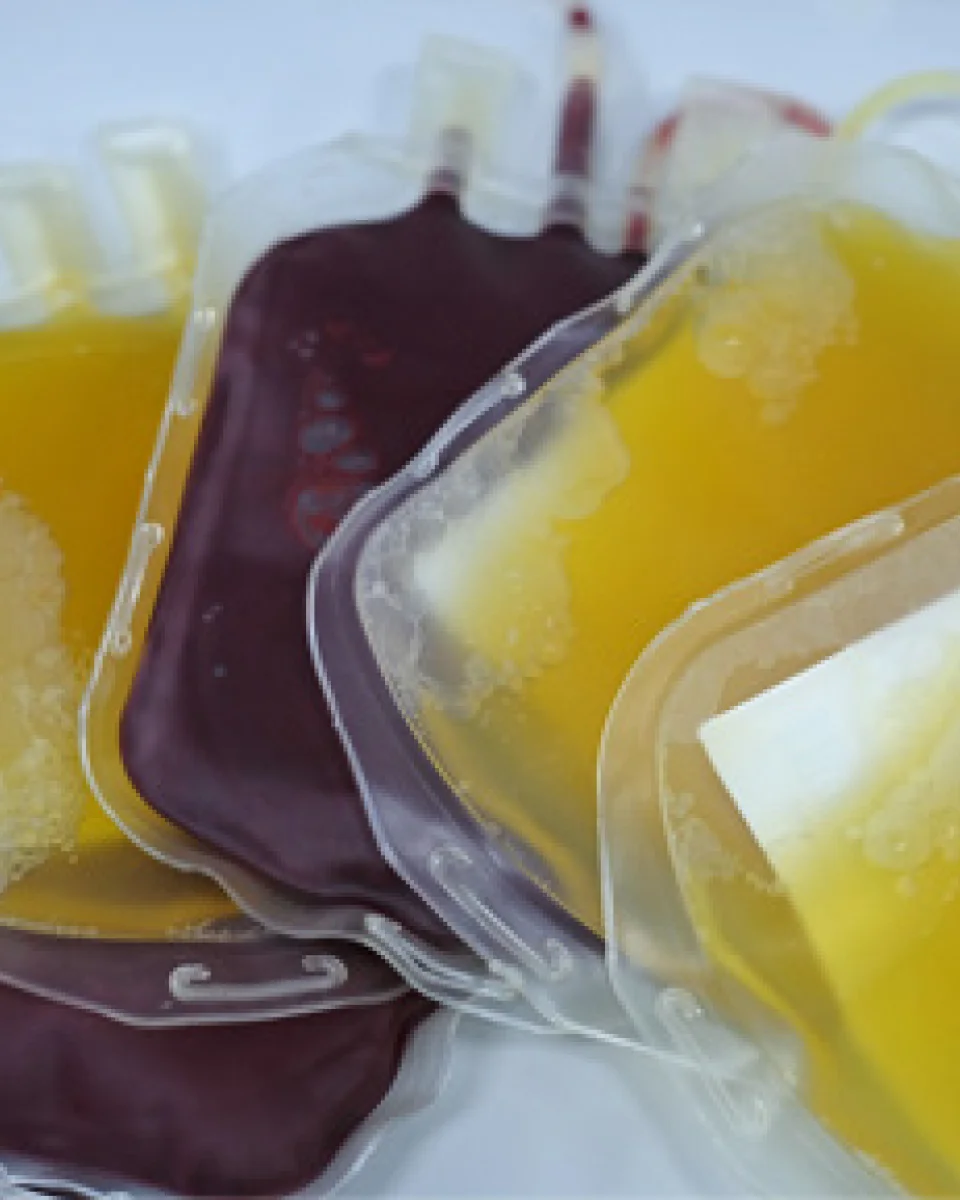
Plasma differs from whole blood. Plasma is the clear straw-coloured liquid portion of blood that remains after red blood cells, white blood cells, platelets and other cellular components have been removed. Donating plasma is a lengthier, more complex process than blood donation. Plasma donors can give more frequently and larger volumes. Plasma-derived medicines treat many conditions for which no alternative medicine exist.
All
This is some text inside of a div block.
This is some text inside of a div block.
Plasma is different from blood
Plasma differs from whole blood. Plasma is the clear straw-coloured liquid portion of blood that remains after red blood cells, white blood cells, platelets and other cellular components have been removed. Donating plasma is a lengthier, more complex process than blood donation. Plasma donors can give more frequently and larger volumes. Plasma-derived medicines treat many conditions for which no alternative medicine exist.
Plasma donation reports
This is some text inside of a div block.
This is some text inside of a div block.
About plasma & plasma protein therapies
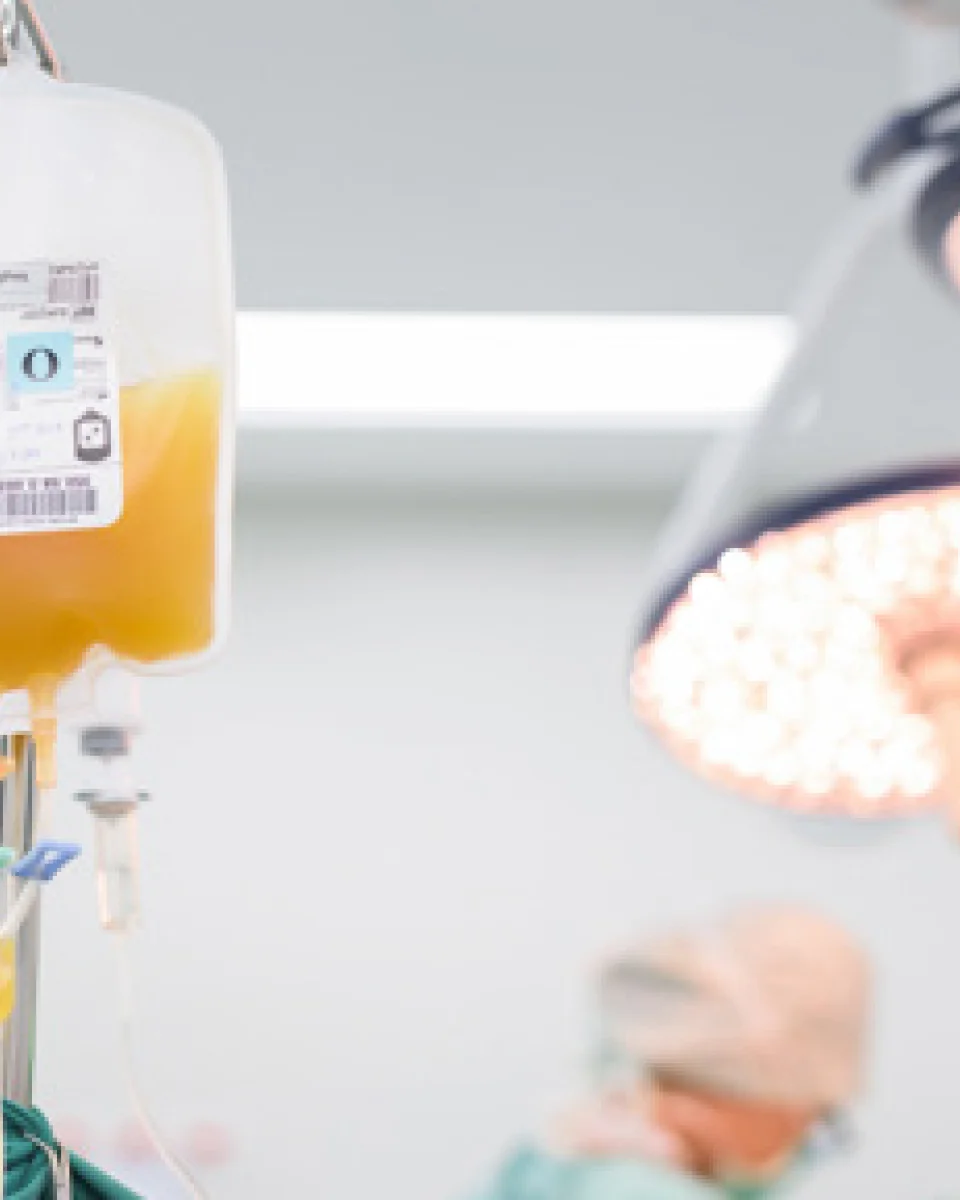
Approximately 300,000 European patients rely on plasma-derived medicines every day to treat a range of critical medical conditions. These include rare, genetic, and chronic conditions or life-threatening medical situations resulting from accidents and trauma. For these patients, plasma-derived medicines are a lifeline, helping the body replace missing or deficient proteins. Without stable access to these treatments, many will not survive or have will a severely reduced quality of life.
All
This is some text inside of a div block.
This is some text inside of a div block.
About plasma & plasma protein therapies
Approximately 300,000 European patients rely on plasma-derived medicines every day to treat a range of critical medical conditions. These include rare, genetic, and chronic conditions or life-threatening medical situations resulting from accidents and trauma. For these patients, plasma-derived medicines are a lifeline, helping the body replace missing or deficient proteins. Without stable access to these treatments, many will not survive or have will a severely reduced quality of life.
Plasma donation reports
This is some text inside of a div block.
This is some text inside of a div block.
No results found